.2604131226105.png)
Most home safety risks don't start as emergencies.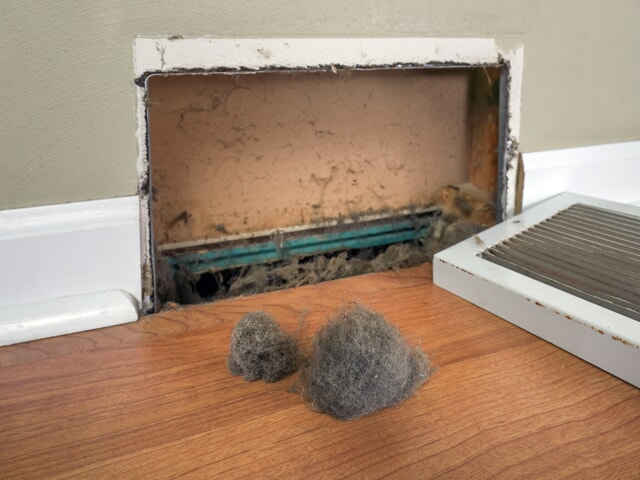

They begin as small, easy-to-dismiss issues — a flickering light, a slow drain, or a subtle change in how your HVAC system sounds. On their own, these moments rarely feel urgent.
That's what makes them easy to ignore.
But in many cases, these small inconveniences are the first indication that a system may be operating under stress. Over time, conditions could become unsafe.
Understanding these warning signs will help you determine what's normal and what may point to a potential safety concern.
How minor issues become safety concerns
A single issue is rarely dangerous on its own. The risk develops when conditions begin to repeat, worsen, or spread.
For example, a light flickering once may not raise concern. But if it starts happening regularly, it may point to instability within your electrical system. A slow drain may seem harmless until backups become more frequent. A new HVAC noise may be subtle at first, but louder or persistent sounds often signal internal wear.
Safety risks don't always appear suddenly. More often, they build gradually as systems continue operating under strain.
Electrical warning signs and fire risk
Electrical systems are one of the most critical safety components in a home.
When issues arise repeatedly — such as frequent breaker trips, ongoing flickering lights, or inconsistent power — they can indicate underlying problems like overloaded circuits, loose connections, or deteriorating wiring.
These conditions may not cause immediate failure, but they can increase the risk of overheating. Over time, that heat buildup can create conditions where electrical fires become more likely.
According to the U.S. Fire Administration, thousands of residential fires each year are tied to electrical issues, often starting from conditions that go unnoticed or unaddressed.
Situations involving burning smells or complete system failures require prompt attention to protect the home and the people in it.
When water creates more than just damage
Water-related issues are often underestimated because they don't always feel urgent.
A small leak or slow drip may seem manageable, but water can travel into hidden areas — behind walls, under flooring, or near electrical wiring.
In fact, moisture issues are more common than many homeowners realize. Research from the National Institute for Occupational Safety and Health (NIOSH) estimates that nearly half of buildings show signs of dampness or mold, often linked to hidden water exposure.
What starts as a small issue can escalate quickly. In many cases, mold can begin developing within 24 to 48 hours of moisture exposure.
Beyond structural damage and mold growth, water exposure near electrical components introduces a different level of risk. When plumbing issues intersect with electrical systems, the situation can shift from a maintenance concern to a safety hazard.
The risks you can't see: gas and combustion systems
Some of the most serious home safety risks aren't visible at all.
Gas-powered systems, such as furnaces or water heaters, rely on controlled combustion to operate safely. When something in that process becomes disrupted, it can lead to issues that aren't immediately obvious but can pose significant risks over time.
In some cases, homeowners may notice subtle warning signs, such as a faint gas odor, soot build-up around vents or a pilot light that frequently goes out.
These signs can indicate problems with ventilation, gas flow, or combustion efficiency.
One of the primary concerns is carbon monoxide: a colorless, odorless gas that can build up if systems are not venting properly. Because it's not easily detectable without proper equipment, issues can go unnoticed until they become serious.
Gas and combustion-related problems don't always present themselves in obvious ways. But when warning signs appear, they should be taken seriously and evaluated promptly.
Air quality issues that affect the whole home
Your HVAC system moves air throughout every room in your home. When something affects that system, the impact isn't isolated.
Over time, dust, debris, and contaminants can build up inside ductwork. When the system runs, those particles can be distributed throughout the home.
In some cases, homeowners may notice:
- Persistent dust across surfaces
- Musty or stale odors
- Uneven air quality between rooms
Moisture inside ductwork adds another layer of concern. In humid environments, condensation can create conditions where mold develops and circulates through the air system.
While not every air quality issue is immediately dangerous, widespread or persistent changes can indicate that the system is contributing to an unhealthy indoor environment.
The role of airflow and filtration in home safety
Air filters are designed to protect both your HVAC system and the air inside your home.
When filters become clogged, airflow becomes restricted and filtration becomes less effective. This can allow particles to circulate more freely while also placing additional strain on system components.
Over time, this combination can lead to:
- Reduced airflow and uneven ventilation
- Increased dust and allergens in the air
- Additional wear on HVAC equipment
A dirty filter may not seem like a safety concern at first. But as airflow and air quality decline together, it can contribute to a less healthy and less stable home environment.
Recognizing when a situation is no longer "normal"
One of the most important distinctions homeowners can make is the difference between something that is working and something that is working safely.
A system can continue running while underlying conditions worsen.
More urgent situations — such as burning smells, active leaks near electrical components, or complete system failures — should be addressed immediately. When issues are identified before they escalate, solutions are typically more straightforward and less disruptive. Waiting, on the other hand, allows conditions to progress.
For homeowners in Austin, having access to responsive service matters in these moments. Fox Service Company provides 24/7 emergency support, so help is available without waiting or uncertainty.
A safer approach to home maintenance
Home systems don't operate in isolation. Electrical, plumbing, and HVAC components are often connected. When one begins to fail, it can create ripple effects in other areas of the home.
Taking a broader look at your home's systems can help identify risks that aren't always visible on the surface. Small warning signs are often the first indication that something deeper is developing.
For homeowners in Austin, staying ahead of these risks can help prevent unsafe conditions and unexpected disruptions.
Not every issue requires immediate action. But when something becomes consistent, worsens, or starts affecting more than one system, it's worth taking seriously. Early attention makes a difference.
Because the sooner a risk is identified, the easier it is to control — before it turns into something more serious.
Fox Service Company is the call you can count on.